Ducts After a Home Flood or Plumbing Leak: What to Check
Had floodwater, a burst pipe or an attic leak? What to check in your HVAC ducts, what needs replacing rather than cleaning and who to call.
Water in a house rarely stays where it started. A storm that pushes water across the floor, a washing machine hose that splits, or a slow leak from an attic water heater can all reach the heating and cooling system. Once that happens, the ductwork deserves a careful look before you go back to running the AC as usual. Here is a practical checklist for homeowners in Humble and the surrounding area.
First, safety and the right order of work
When water has reached your HVAC equipment, the order of operations matters:
- Turn off power to any equipment that got wet. Don't restart an air handler, furnace or outdoor unit that sat in water until a qualified HVAC contractor has checked it.
- Stop the source and dry the house. Fix the leak, remove standing water and begin drying. Your insurance company may want photos before anything is removed.
- Have the HVAC system inspected. A qualified HVAC contractor should evaluate the equipment and the ducts for damage.
- Deal with any mold. If there is visible mold or a strong musty smell, bring in a mold professional to assess and handle it.
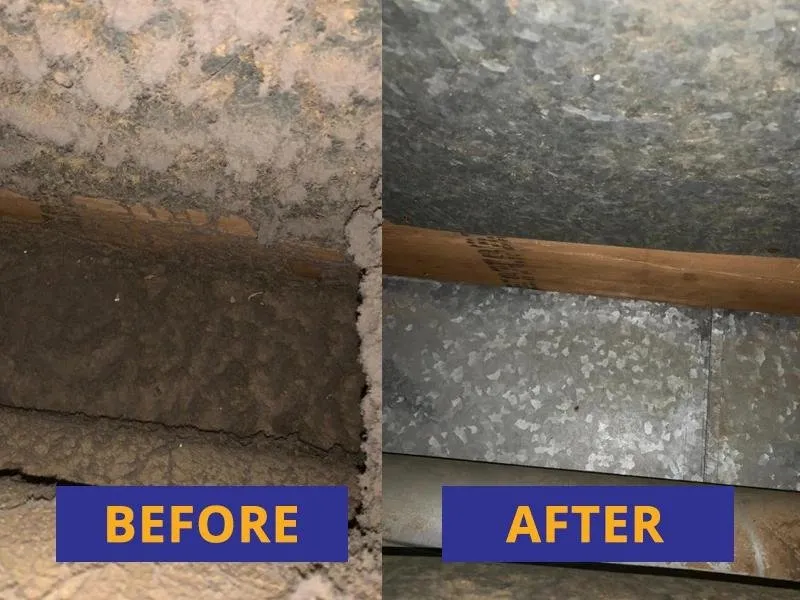
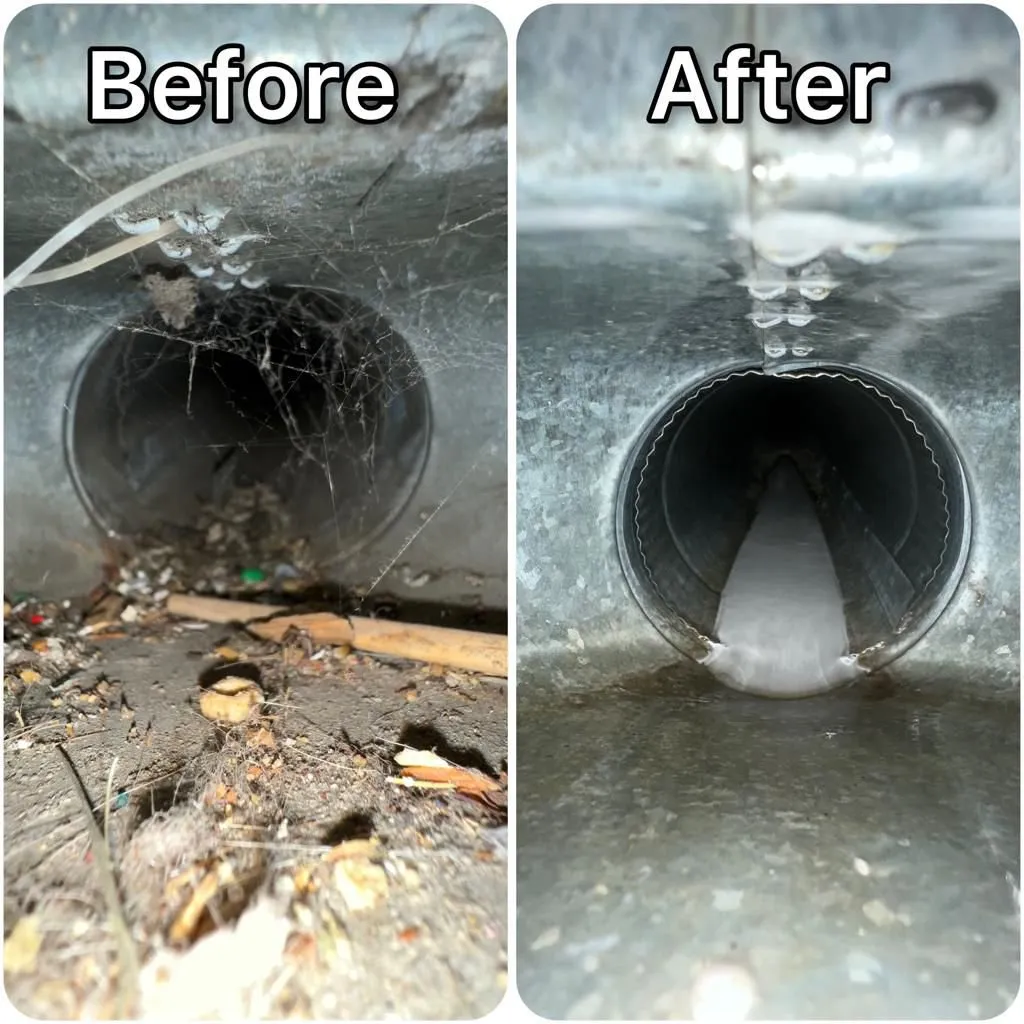
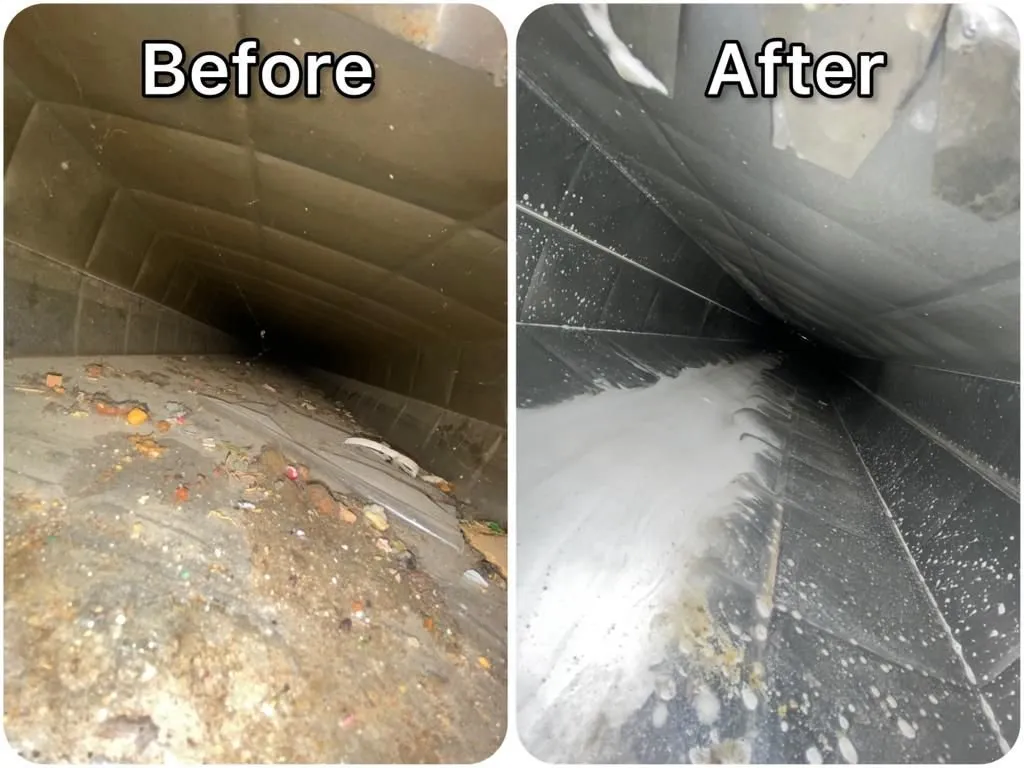
- Then clean. Once repairs are done and materials that can't be saved are replaced, a duct cleaning can help remove remaining dust and debris.
Duct cleaning comes last for a reason. Cleaning ducts that are still wet, damaged or moldy doesn't solve the underlying problem.
Where water and ducts meet
How the water got in tells you where to look.
Floodwater on the floor. In slab homes, ducts are usually in the attic, so floodwater is less likely to reach them directly. But returns and air handlers located in closets, garages or at floor level can take on water. Any duct section or return box that sat in floodwater is a concern, because floodwater can carry sewage, chemicals and silt.
Roof or attic leaks. Water from a leaking roof, a failed water heater pan or an overflowing AC drain pan in the attic can soak ducts from above. Flex duct and its insulation can absorb water without obvious signs from below.
Interior plumbing leaks. A pipe that bursts inside a wall or ceiling can drip onto nearby ductwork or into a return chase.
What usually has to be replaced, not cleaned
This is the part many homeowners don't expect. According to the EPA, if insulated air ducts get wet or moldy, the insulation can't be effectively cleaned and should be removed and replaced. That covers:
- Flex duct with an insulation jacket that got soaked
- Ducts made of fiberglass duct board
- Ducts with internal fiberglass lining
Bare sheet-metal ducts are different. If they are structurally sound, they may be cleaned. Your HVAC contractor can tell you which sections can stay and which should go.
Be cautious with anyone who offers to "spray" or "fog" ducts after a flood instead of replacing wet insulation. The EPA advises fully understanding the pros and cons of chemical biocides and notes that research has not shown them to be effective in duct cleaning. We don't offer those treatments.
Signs to watch for in the weeks after
Even when water seems to have missed the HVAC system, keep an eye out for:
- A musty or sour smell when the AC kicks on
- Visible dark spots on supply registers or ceiling around vents
- Higher-than-usual humidity indoors, or condensation around vents
- Stains on ceilings below attic ducts
- Rooms that suddenly get less airflow, which can mean a duct sagged or separated
Any of these is a reason to call your HVAC contractor. If the smell points to mold, talk to a mold professional before anything else.
Where we fit in
American Air Duct Cleaning Humble cleans air ducts and dryer vents. We don't repair or replace ductwork, treat mold or service HVAC equipment. In a water-damage situation, we come in after those steps are done.
At that point, air duct cleaning can help remove construction dust from the repairs, debris left after drywall replacement, and dust that built up while the house was being dried out. Our basic cleaning is $199 for up to 10 vents, plus $29 for each additional vent. For homes with heavy debris at many registers, deep duct cleaning is $59.99 per vent.
Don't forget the dryer vent
If the laundry room took on water, check the dryer vent too. Lint inside a vent that got wet can clump and harden. Make sure the outdoor flap opens freely and nothing is blocking the exit. Dryer vent cleaning is $99 for up to 10 feet.
Getting through water damage is stressful. Taking the steps in the right order saves money and makes sure the problem is actually fixed, not just covered up.